Understanding the Full Scope of Window Replacement
We learned early on that replacing windows isn't just about the glass and frame. The surrounding wall structure, insulation, flashing, and sealing all play critical roles in energy efficiency. One project that seemed straightforward became a masterclass in proper installation when we discovered water damage hidden behind decades of paint. The lesson: always inspect thoroughly before starting, and understand that quality work takes time.

The Hidden Cost of Shortcuts
After watching multiple contractors work through the years, the pattern became clear: cutting corners saves money initially but creates expensive problems later. Poor sealing leads to leaks, wrong materials cause thermal bridging, and inadequate flashing invites moisture damage. The renovations that impressed us most weren't the flashiest—they were the ones where installers took extra time to get the details right, double-checking measurements, testing for drafts, and ensuring long-term performance.
Communication Changes Everything
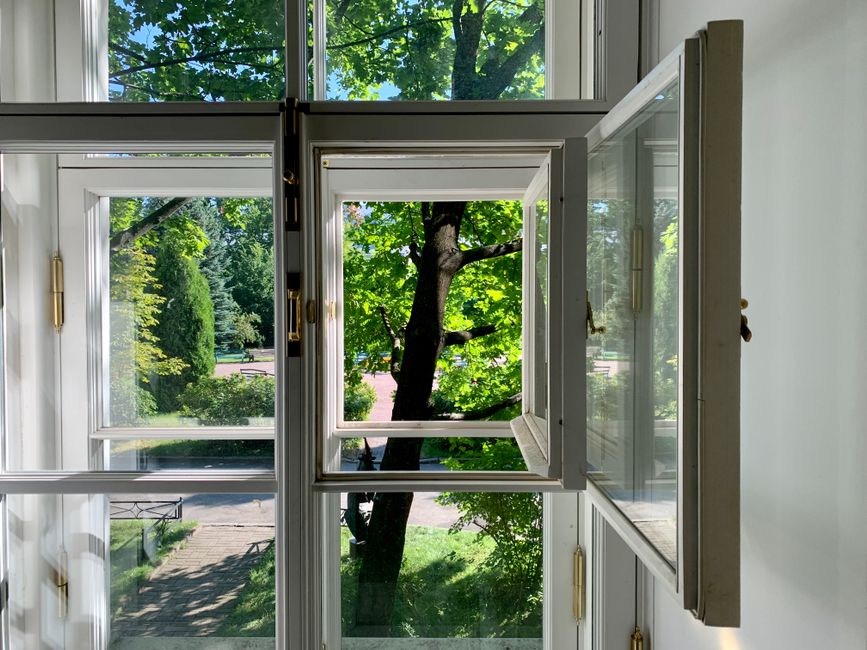
We've seen projects succeed and fail based almost entirely on how well the contractor explained what they were doing and why. The best experiences involved detailed walkthroughs beforehand, clear discussion of material choices with pros and cons, and honest conversations about timeline and budget. When we understood the reasoning behind each decision, we felt confident in the investment—and the end results exceeded expectations consistently.
Energy Efficiency Pays for Itself
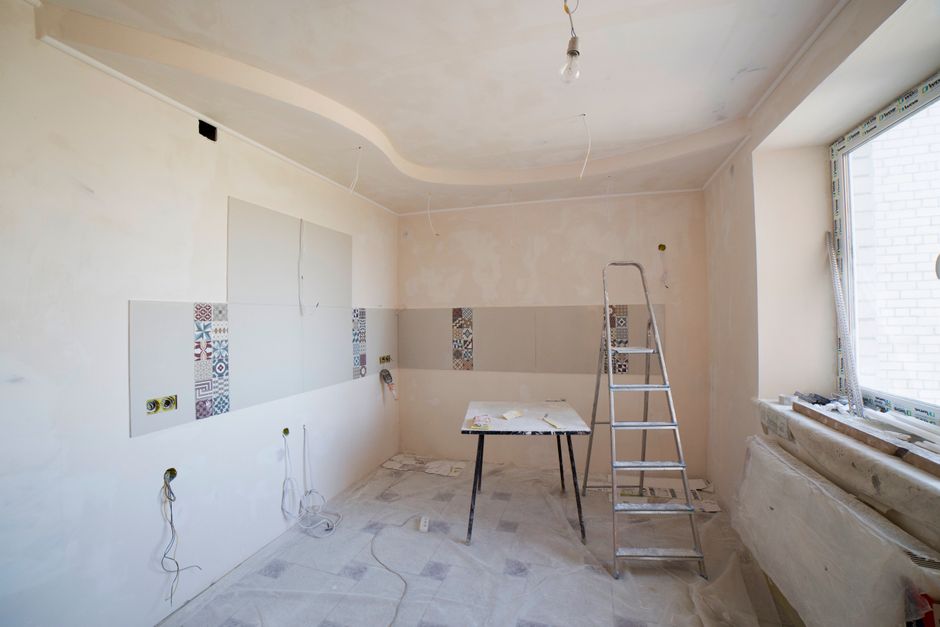
Upgrading to high-efficiency windows seemed expensive at first, but our heating and cooling bills dropped noticeably that first season. The real surprise came in year two—the comfort level improved dramatically. No more cold spots near windows, no drafts in winter, and cooler rooms in summer without overworking the AC. The combination of better insulation, proper installation, and quality materials created measurable improvements we could actually feel in our daily lives.